
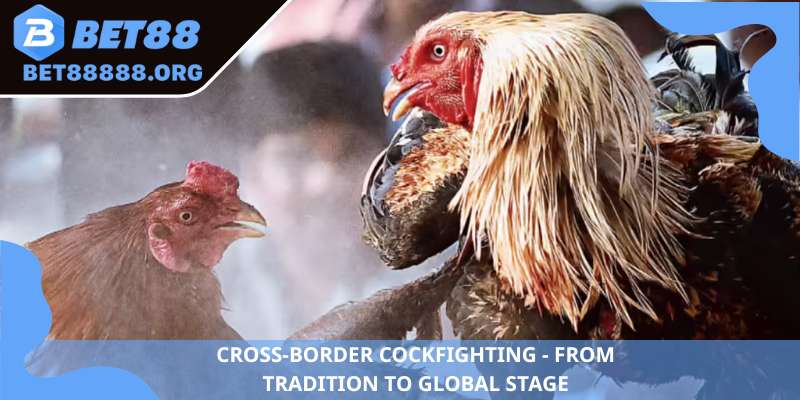
Cross-border cockfighting has become a phenomenon, reflecting cultural ties and competitive spirit across nations. It combines heritage with BET88 modern fascination. This unique blend highlights how tradition adapts to a globalized world.
Advantages of cockfighting in culture and society
Cross-border cockfighting attracts attention because it is more than just a contest. It reflects deep cultural roots and historical traditions. This practice highlights strong community connections and mutual exchanges between different regions.
Enduring cultural heritage maintained

Cockfighting in many regions carries a heritage spanning centuries. Communities view it as a legacy passed down through generations. The rituals, songs, and gatherings surrounding events strengthen community identity and pride. This cultural background helps cross-border cockfighting sustain its influence.
Families share stories and traditions, keeping values alive while adapting to new times. It becomes not only an event but also a cultural preservation tool. In some areas, festivals dedicated to this tradition attract thousands. People travel across regions to witness these gatherings.
Social connections across communities
Cross-border cockfighting brings together people from many places. It creates a bridge that links communities separated by borders. These connections foster mutual understanding and respect. Local communities treat such gatherings as opportunities to strengthen ties. Families and friends meet, share meals, and celebrate together.
Such shared experiences help participants feel united. Borders lose meaning when traditions create common ground. This togetherness builds long-lasting bonds, often continuing beyond the events themselves. It enhances cultural diplomacy in a unique way.
Excitement combined with cultural pride
The atmosphere during cross-border cockfighting is filled with anticipation. Enthusiasts admire both the energy of the contest and the rituals surrounding it. Songs, drums, and cheering voices add to the lively mood. This combination of excitement and pride creates a memorable experience.
Generations continue to attend these gatherings because of the strong impressions they leave. The joy is not just in the contest but in the feeling of belonging. That mixture of entertainment and heritage ensures cockfighting remains attractive.
How to participate in cross-border cockfighting overview only
Cockfighting requires understanding traditional customs. It is not limited to the contest itself but includes the rituals and codes. Knowledge of these details enhances appreciation of the event. For newcomers, learning from elders or cultural practitioners is important.
Understanding traditional rituals
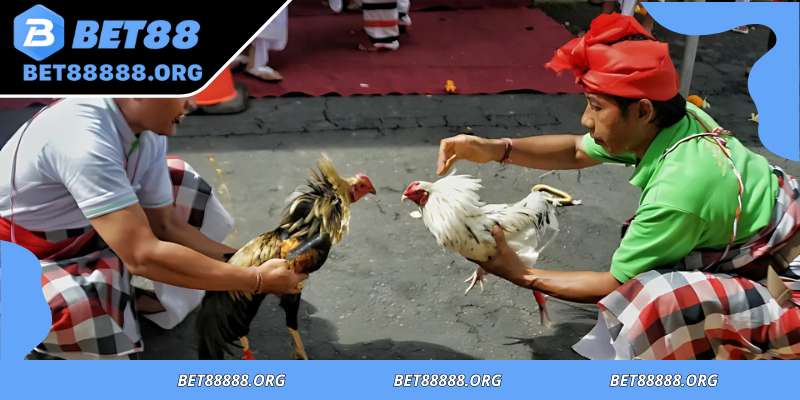
Rituals form a core part of cross-border cockfighting. From blessings before the contest to ceremonial songs, they frame the event. Respecting these traditions is essential for proper involvement.
Each ritual symbolizes protection, respect, and honor. The process creates a spiritual atmosphere, giving meaning beyond competition. These customs also ensure balance between communities. Witnessing or participating in such rituals deepens cultural understanding.
Preparing for the event responsibly
Preparation is more than just arranging gatherings. Families and communities carefully plan every detail. Locations are decorated, rituals rehearsed, and traditional foods prepared. Participants understand that responsibility extends beyond the contest. They ensure safety, cultural respect, and communal harmony.
These responsibilities reflect deep respect for heritage. Elders emphasize proper behavior, attire, and rituals. Younger generations learn discipline through involvement. Proper preparation ensures smooth and meaningful gatherings.
Learning from experienced elders
In many cases, stories shared by elders carry lessons about courage and respect. Such narratives enrich the cultural meaning of events. Cross-border cockfighting thus becomes a medium for storytelling and wisdom transmission.
Elders play a vital role in transmitting knowledge. They guide younger participants through customs, rituals, and values. Their experience ensures that traditions are not lost over time. Observing elders helps newcomers understand the rhythm and atmosphere. They learn gestures, songs, and respectful behaviors.
Point system and outcome determination
The outcomes in cross-border cockfighting are determined by traditions. Rules vary between regions but often share common elements. Points, outcomes, and recognition reflect long-held customs. Participants must understand that fairness is ensured by mutual agreement.
Local rules and judging criteria
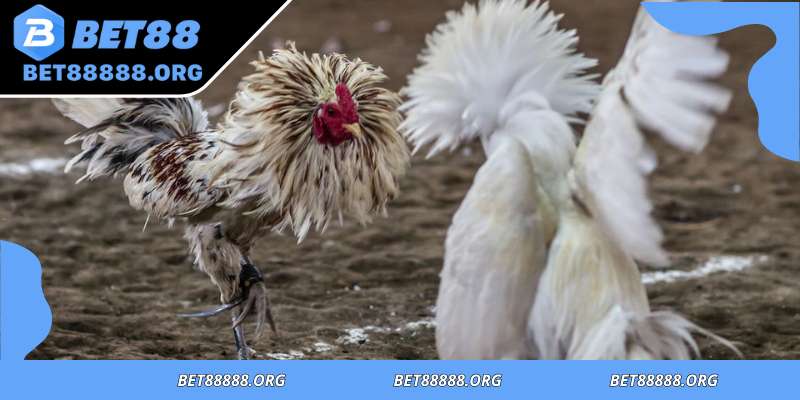
Each region has its own judging standards. These rules are passed down by elders and respected by participants. They may involve physical performance, endurance, and ritual adherence. Judges observe carefully, ensuring outcomes reflect community expectations. Decisions are respected because they are rooted in tradition.
The presence of judges from multiple regions also builds fairness. Their joint authority creates balance and avoids bias. Shared standards become a foundation of trust and cultural diplomacy.
Role of elders in final decisions
Elders often hold the authority to confirm results. Their wisdom and experience guide fair judgments. Communities respect their decisions as final. In many traditions, elders symbolize guardians of culture. Their voices carry weight and moral authority. Respecting their role is crucial for maintaining harmony.
Through these decisions, elders reinforce cultural continuity. They teach that outcomes are about honor, not only victory. Their guidance shapes the atmosphere, ensuring respect among participants.
Symbolic rewards in cross-border cockfighting
Rewards are not limited to material items. Symbols such as garlands, songs, or ceremonial objects hold great importance. They emphasize honor and tradition over wealth.
Receiving such recognition strengthens community pride. Winners are celebrated as representatives of cultural values. Their success reflects not only skill but also respect for heritage. Symbolic rewards create motivation rooted in tradition. Participants strive for honor rather than gain.
Gamecock breeds in participation worldwide
In cockfighting, the choice of gamecock breeds plays a decisive role in both excitement and outcomes. Each breed carries unique traits in stamina, agility, and fighting style. Selecting the right breed helps participants understand strategies and predict match dynamics.
- Asil (India): Known for great strength, muscular build, and powerful strikes.
- Shamo (Japan): Tall, long-legged, excelling in endurance and tactical moves.
- Thai Gamefowl (Thailand): Agile, quick, famous for fast-paced attacks.
- Philippine Gamecock (Philippines): Fierce, resilient, able to withstand heavy blows.
- Kelso (USA): Smart, adaptive, capable of changing tactics mid-fight.
- Spanish Gamefowl (Spain): Aggressive, energetic, often displaying relentless attacks.
- Burma Gamefowl (Myanmar): Balanced in strength and agility, highly durable in long matches.
Conclusion
Cross-border cockfighting represents more than entertainment. It combines heritage, community, and symbolic meaning across nations. The tradition endures because it embodies unity, respect, and BET88 cultural pride.





